
Test-Driven Development (TDD) for Modern Web Apps
A hands-on, project-based course designed to introduce beginners to the Test-Driven Development (TDD) methodology in modern web applications. Students will learn to write reliable, bug-resistant code by mastering the "Red-Green-Refactor" cycle. Through practical implementation of unit, component, integration, and end-to-end tests, learners will shift their mindset from "coding then testing" to "testing to guide the coding," ultimately building a robust application from scratch.
Dipercaya oleh Perusahaan Terkemuka












































Tentang Kursus Ini
A hands-on, project-based course designed to introduce beginners to the Test-Driven Development (TDD) methodology in modern web applications. Students will learn to write reliable, bug-resistant code by mastering the "Red-Green-Refactor" cycle. Through practical implementation of unit, component, integration, and end-to-end tests, learners will shift their mindset from "coding then testing" to "testing to guide the coding," ultimately building a robust application from scratch.
Silabus Kursus
01 Introduction to TDD & The Test-First Mindset
Introduction to TDD & The Test-First Mindset
- Concept Breakdown: What is TDD and why is it crucial for modern web development?
- The Core Cycle: Mastering the "Red (Fail), Green (Pass), Refactor (Optimize)" workflow.
- Paradigm Shift: Overcoming beginner challenges when shifting from traditional coding to test-first engineering.
02 Setting Up the Modern Testing Environment
Setting Up the Modern Testing Environment
- Tool Ecosystem: Introduction to modern testing frameworks (e.g., Vitest/Jest).
- Environment Configuration: Setting up the test runner within a modern JavaScript/TypeScript project.
- The First Kata: Writing the very first test-driven code using simple mathematical functions.
03 Unit Testing Core Business Logic
Unit Testing Core Business Logic
- Test Anatomy: Understanding test suites (
describe), test cases (it/test), and assertions (expect). - Pure Functions: Writing tests for data transformation and business logic without UI dependencies.
- Edge Cases & Error Handling: Identifying unexpected inputs (null, undefined) and ensuring the system fails gracefully.
04 Component Testing for Modern UIs
Component Testing for Modern UIs
- DOM Testing Fundamentals: Introduction to component testing libraries (e.g., React Testing Library).
- Rendering & Isolation: How to mount and test individual UI components in a virtual DOM.
- Accessibility-First Querying: Finding elements on the screen from the user's perspective (by role, label, or text).
05 Handling User Interactions in Tests
Handling User Interactions in Tests
- Event Simulation: Triggering user events such as button clicks, typing in text fields, and form submissions.
- State Verification: Testing dynamic component changes (e.g., conditional rendering, opening/closing modals).
- Form TDD: Building the TaskFlow input form using the test-first approach.
06 Integration Testing & Mocking External Services
Integration Testing & Mocking External Services
- The Integration Layer: Testing how multiple units and components work together.
- Mocking Dependencies: Why and how to stub external functions or database calls.
- Network Interception: Using tools like Mock Service Worker (MSW) to fake API responses and test data fetching flows.
07 End-to-End (E2E) Testing for Critical User Journeys
End-to-End (E2E) Testing for Critical User Journeys
- E2E Concepts: Understanding browser-based testing tools (e.g., Cypress or Playwright).
- Automating Workflows: Navigating pages, interacting with the app, and asserting final outcomes just like a real user.
- The Critical Path: Writing an E2E test for the complete journey of creating a task and moving it to completion.
08 Capstone Project Execution & Advanced Refactoring
Capstone Project Execution & Advanced Refactoring
- Project Initialization: Structuring the TaskFlow application repository.
- Iterative Development: Applying modules 1-7 to build out the full application sprint by sprint, strictly using TDD.
- Safe Refactoring: Identifying code smells and confidently cleaning up the codebase, knowing the test suite will catch any regressions.
Proyek Akhir
TaskFlow: A Mini Kanban Board
A modern, interactive web-based task management application inspired by the Kanban methodology. Students will build this application entirely from scratch using a strict Test-Driven Development approach. Every feature—from simple logic to complex UI interactions—will be backed by automated tests written before the actual implementation code.
Mengapa Memilih Training Korporasi?
Program training yang disesuaikan dengan kebutuhan tim dan organisasi Anda
Diskon Tim
Dapatkan harga khusus untuk pendaftaran grup. Semakin banyak peserta, semakin besar diskonnya.
Kurikulum Kustom
Materi training dapat disesuaikan dengan kebutuhan spesifik tim dan proyek perusahaan Anda.
Jadwal Fleksibel
Pilih waktu training yang sesuai dengan tim Anda: hari kerja, akhir pekan, atau sesi khusus di kantor Anda.
Sertifikat Resmi
Semua peserta menerima sertifikat profesional setelah menyelesaikan training.
Dukungan Pasca-Training
Dapatkan akses konsultasi gratis selama 30 hari setelah training untuk memastikan implementasi yang sukses.
Proyek Nyata
Peserta akan mengerjakan proyek nyata yang dapat segera diterapkan di lingkungan kerja mereka.
Butuh program training yang disesuaikan untuk tim Anda?
Minta Penawaran KorporasiDipercaya oleh Perusahaan Terkemuka
Lihat apa yang dikatakan klien korporasi kami tentang program training kami
Pertanyaan yang Sering Diajukan
Temukan jawaban untuk pertanyaan umum tentang program training kami
Ya, kami menyediakan opsi training online (remote), offline (di kantor Anda, khusus korporasi), atau hybrid berdasarkan kebutuhan tim Anda. Semua format mendapatkan materi dan sertifikat yang sama.
Kami menawarkan tiga format. Privat 1-on-1 selalu tersedia dan dapat dimulai kapan saja untuk 1 orang. Grup Kecil adalah kelas berisi 2-4 orang dengan harga per peserta. Perusahaan adalah batch tim berisi 6-8 orang dengan satu harga per batch yang transparan — semakin banyak peserta, semakin hemat per orang (mulai hemat di 6 peserta, hingga 25% di 8 peserta). Untuk tim di luar rentang ini, silakan hubungi kami untuk penawaran khusus.
Tentu saja. Kami menawarkan layanan kurikulum kustom di mana materi dapat disesuaikan dengan tumpukan teknologi, proyek aktif, dan kebutuhan spesifik tim Anda.
Privat 1-on-1 adalah opsi premium kami (selalu tersedia, harga tertinggi). Grup Kecil (2-4 orang) lebih terjangkau per peserta. Training Perusahaan dihargai per batch untuk tim 6-8 orang dengan harga awal yang transparan — hemat hingga 25% per orang di batch penuh. Untuk tim yang lebih besar, hubungi kami untuk penawaran khusus.
Durasi training bervariasi tergantung materi. Untuk training korporasi, jadwal dapat disesuaikan dengan kebutuhan tim Anda - hari kerja, akhir pekan, atau jadwal kustom.
Ya, semua peserta yang menyelesaikan training akan mendapatkan sertifikat resmi dari Rumah Coding. Sertifikat digital dapat diverifikasi secara online.
Tentu. Kami menyediakan dukungan konsultasi gratis selama 30 hari setelah training untuk membantu implementasi. Peserta juga mendapatkan akses ke komunitas eksklusif dan materi rekaman training.
Masih punya pertanyaan?
Hubungi Tim KamiKursus Terkait
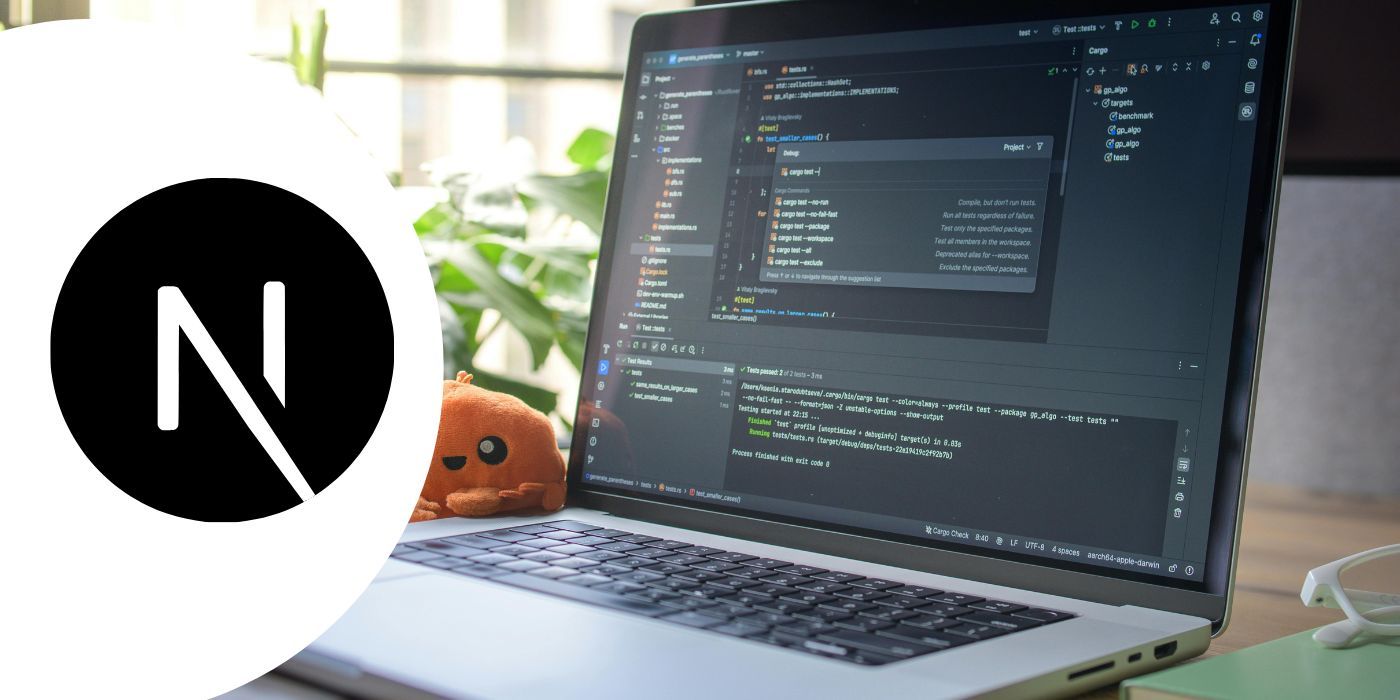
Fullstack Web Development With Next.js
A practical, beginner-friendly, and project-based introduction to full-stack web development. Students will learn to build, secure, and deploy modern web applications from scratch using Next.js (App Router), React, Tailwind CSS, and a relational database. By the end of the course, students will have a fully functional, production-ready application to showcase in their portfolio.
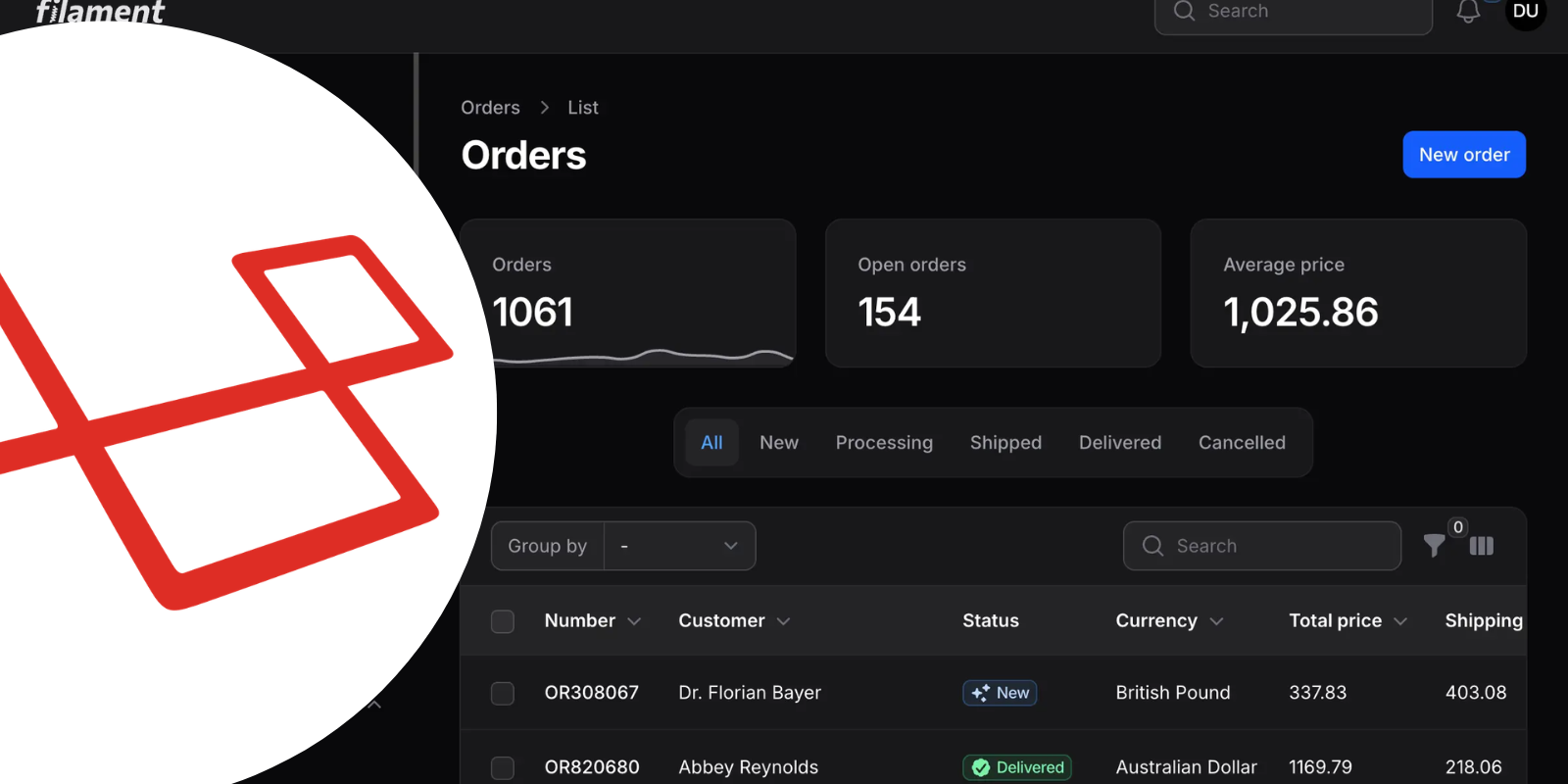
Building Modern Apps with Filament
Learn how to build modern, full-stack web applications rapidly using FilamentPHP and the TALL stack. This project-based course is designed for beginners, guiding you step-by-step to create a fully functional backend administration panel. By the end of the course, you will have mastered Filament's powerful Panel Builder, robust CRUD operations, complex database relationships, and interactive dashboards.

MERN Stack Development
Launch your journey into full-stack web development with this comprehensive, project-driven course. Designed for beginners, this course demystifies the MERN stack (MongoDB, Express.js, React.js, Node.js) by guiding you step-by-step in building a real-world application from scratch. By the end of this course, you will have the practical skills and a complete portfolio project to confidently step into the modern web development industry.

Advanced Architecture with Laravel Containers & Queues
A problem-driven, project-based course designed to elevate intermediate developers to a senior architectural mindset. Instead of just memorizing documentation, students will tackle real-world bottleneck issues by mastering the Inversion of Control (IoC) principle, Dependency Injection, and asynchronous background processing. Learn to decouple services and orchestrate robust queues to build scalable, high-performance applications that never freeze under heavy loads.
Harga & Pilihan Format
Pilih format belajar yang paling sesuai untuk Anda
Privat (1-on-1)
Selalu tersedia · eksklusif satu-satu, mulai kapan saja
/peserta
Grup Kecil
Kelas kecil 2-4 orang
/peserta
Perusahaan
Harga batch transparan untuk tim
Mulai dari Rp 27.000.000
/batch