
Machine Learning Bootcamp
A beginner-friendly, 7-week project-based bootcamp designed to take you from Python basics to deploying your first Machine Learning model. Through hands-on practice, you will master essential data manipulation, build predictive algorithms, and develop an end-to-end, industry-ready application to kickstart your career in data science.
Dipercaya oleh Perusahaan Terkemuka








































Tentang Kursus Ini
A beginner-friendly, 7-week project-based bootcamp designed to take you from Python basics to deploying your first Machine Learning model. Through hands-on practice, you will master essential data manipulation, build predictive algorithms, and develop an end-to-end, industry-ready application to kickstart your career in data science.
Silabus Kursus
01 Python Fundamentals for Data Science
Python Fundamentals for Data Science
- Introduction to the Python ecosystem and Jupyter Notebooks.
- Basic data types, variables, and operators.
- Control flow (if/else statements, loops) and functions.
- Mini-Project: Python Logic Builder – Creating a simple text-based calculator and interactive data dictionary.
02 Data Wrangling & Manipulation
Data Wrangling & Manipulation
- Introduction to NumPy arrays and mathematical operations.
- Data manipulation with Pandas (Series and DataFrames).
- Filtering, sorting, and grouping data.
- Handling missing values and data cleaning techniques.
- Mini-Project: Messy Data Cleaner – Transforming a raw, unstructured CSV file into a clean, analytical-ready dataset.
03 Exploratory Data Analysis (EDA) & Visualization
Exploratory Data Analysis (EDA) & Visualization
- Principles of effective data storytelling.
- Creating basic plots (line, bar, scatter) with Matplotlib.
- Advanced statistical visualizations with Seaborn.
- Identifying correlations, distributions, and outliers.
- Mini-Project: Insight Dashboard – Designing a static visual report that answers three key business questions from a provided dataset.
04 Introduction to Machine Learning & Regression
Introduction to Machine Learning & Regression
- Supervised vs. Unsupervised Learning concepts.
- Understanding Linear Regression and its assumptions.
- Feature engineering: Encoding categorical variables and feature scaling.
- Evaluating regression models (MAE, MSE, RMSE, R-Squared).
- Mini-Project: Real Estate Predictor – Building a model to estimate house prices based on features like location, size, and age.
05 Foundations of Classification
Foundations of Classification
- Understanding Classification problems and use cases.
- Implementing Logistic Regression.
- Introduction to Decision Trees and how they split data.
- Evaluating classification models: Accuracy, Confusion Matrix.
- Mini-Project: Health Diagnosis App – Classifying patient risk levels (e.g., high/low risk of diabetes) using basic medical data.
06 Advanced Classification & Model Tuning
Advanced Classification & Model Tuning
- Ensemble learning techniques: Random Forest Classifier.
- Advanced evaluation metrics: Precision, Recall, and F1-Score.
- Handling imbalanced datasets.Hyperparameter tuning using Grid Search and Cross-Validation.
- Mini-Project: Spam Detector – Training an optimized Random Forest model to classify emails or SMS messages as spam or legitimate.
07 Unsupervised Learning & Clustering
Unsupervised Learning & Clustering
- Finding hidden patterns without labeled data.
- Implementing K-Means Clustering.Determining the optimal number of clusters (Elbow Method).
- Evaluating clusters using the Silhouette Score.
- Mini-Project: Customer Segmentation – Grouping mall shoppers into distinct marketing personas based on purchasing behavior.
08 Model Deployment & End-to-End Pipeline
Model Deployment & End-to-End Pipeline
- Saving and loading trained models using Pickle/Joblib.
- Introduction to building web interfaces with Streamlit.
- Best practices for UI/UX in data applications.
- Connecting the machine learning pipeline to the web app.
- Final Delivery: Deployment of the Capstone Project.
Proyek Akhir
End-to-End Student Success Predictor
You will act as a Data Scientist for an e-learning platform. Your objective is to analyze historical student data and build a predictive web application that identifies students who are at risk of dropping out or failing a course. You will handle the entire machine learning lifecycle—from cleaning raw engagement logs and training an optimized classification model, to deploying an interactive dashboard that instructors can use to input student metrics and receive real-time risk assessments.
Mengapa Memilih Training Korporasi?
Program training yang disesuaikan dengan kebutuhan tim dan organisasi Anda
Diskon Tim
Dapatkan harga khusus untuk pendaftaran grup. Semakin banyak peserta, semakin besar diskonnya.
Kurikulum Kustom
Materi training dapat disesuaikan dengan kebutuhan spesifik tim dan proyek perusahaan Anda.
Jadwal Fleksibel
Pilih waktu training yang sesuai dengan tim Anda: hari kerja, akhir pekan, atau sesi khusus di kantor Anda.
Sertifikat Resmi
Semua peserta menerima sertifikat profesional setelah menyelesaikan training.
Dukungan Pasca-Training
Dapatkan akses konsultasi gratis selama 30 hari setelah training untuk memastikan implementasi yang sukses.
Proyek Nyata
Peserta akan mengerjakan proyek nyata yang dapat segera diterapkan di lingkungan kerja mereka.
Butuh program training yang disesuaikan untuk tim Anda?
Minta Penawaran KorporasiDipercaya oleh Perusahaan Terkemuka
Lihat apa yang dikatakan klien korporasi kami tentang program training kami
Pertanyaan yang Sering Diajukan
Temukan jawaban untuk pertanyaan umum tentang program training kami
Ya, kami menyediakan opsi training online (remote), offline (di kantor Anda, khusus korporasi), atau hybrid berdasarkan kebutuhan tim Anda. Semua format mendapatkan materi dan sertifikat yang sama.
Kami menawarkan tiga format. Privat 1-on-1 selalu tersedia dan dapat dimulai kapan saja untuk 1 orang. Grup Kecil adalah kelas berisi 2-4 orang dengan harga per peserta. Perusahaan adalah batch tim berisi 6-8 orang dengan satu harga per batch yang transparan — semakin banyak peserta, semakin hemat per orang (mulai hemat di 6 peserta, hingga 25% di 8 peserta). Untuk tim di luar rentang ini, silakan hubungi kami untuk penawaran khusus.
Tentu saja. Kami menawarkan layanan kurikulum kustom di mana materi dapat disesuaikan dengan tumpukan teknologi, proyek aktif, dan kebutuhan spesifik tim Anda.
Privat 1-on-1 adalah opsi premium kami (selalu tersedia, harga tertinggi). Grup Kecil (2-4 orang) lebih terjangkau per peserta. Training Perusahaan dihargai per batch untuk tim 6-8 orang dengan harga awal yang transparan — hemat hingga 25% per orang di batch penuh. Untuk tim yang lebih besar, hubungi kami untuk penawaran khusus.
Durasi training bervariasi tergantung materi. Untuk training korporasi, jadwal dapat disesuaikan dengan kebutuhan tim Anda - hari kerja, akhir pekan, atau jadwal kustom.
Ya, semua peserta yang menyelesaikan training akan mendapatkan sertifikat resmi dari Rumah Coding. Sertifikat digital dapat diverifikasi secara online.
Tentu. Kami menyediakan dukungan konsultasi gratis selama 30 hari setelah training untuk membantu implementasi. Peserta juga mendapatkan akses ke komunitas eksklusif dan materi rekaman training.
Masih punya pertanyaan?
Hubungi Tim KamiKursus Terkait
Python Fundamentals
Master the fundamentals of Python through hands-on, real-world projects. Designed for absolute beginners, this course takes you from writing your first line of code to building a fully functional application. By the end of this course, you will have a solid grasp of core programming concepts, data structures, and file management, laying a strong foundation for future studies in Data Science, Web Development, or Automation.
LLM Bootcamp
This project-based bootcamp is designed for beginners to dive practically into the world of Large Language Models (LLMs). Through hands-on building, you will learn how to interact with top-tier AI APIs, master prompt engineering, orchestrate complex workflows using LangChain, and implement Retrieval-Augmented Generation (RAG) to query your own documents. By the end of this course, you will have the skills to build, test, and deploy a fully functional, custom AI web application.
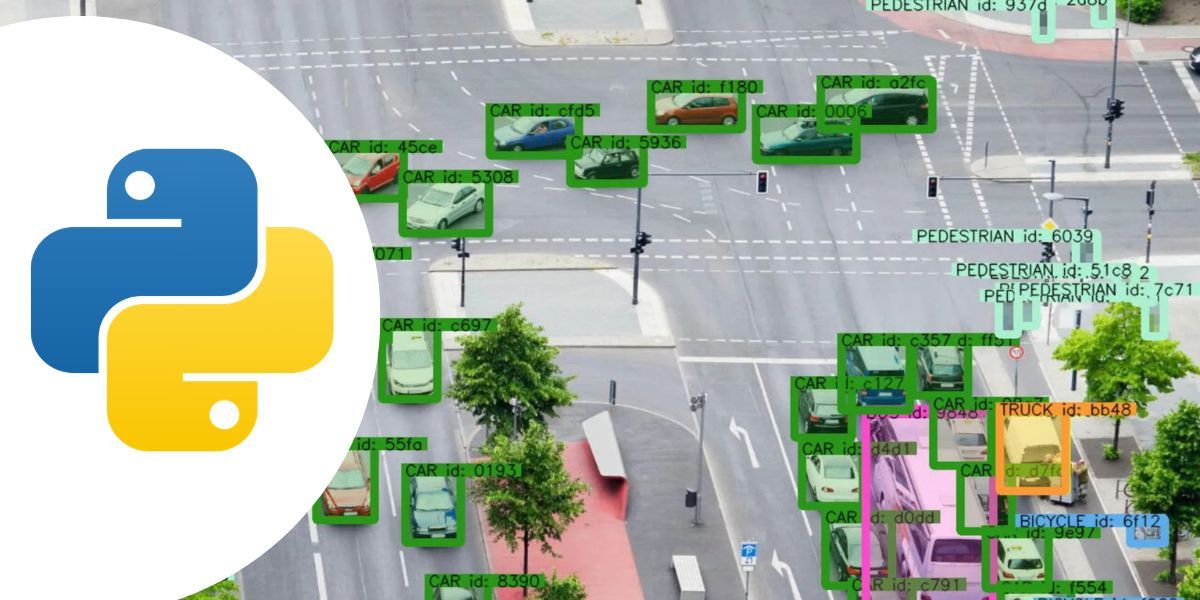
Object Detection and Tracking with YOLO
Dive into the world of computer vision with this beginner-friendly, project-based course. Learn how to leverage the powerful YOLO (You Only Look Once) architecture to build real-time AI applications from scratch. Through hands-on exercises, you will master everything from running pre-trained models and creating custom datasets to implementing robust object tracking. By the end of this journey, you will have the practical skills to build and deploy your own intelligent vision systems.

Data Science with Python
Master the art of data analysis, visualization, and predictive modeling.
Harga & Pilihan Format
Pilih format belajar yang paling sesuai untuk Anda
Privat (1-on-1)
Selalu tersedia · eksklusif satu-satu, mulai kapan saja
/peserta
Grup Kecil
Kelas kecil 2-4 orang
/peserta
Perusahaan
Harga batch transparan untuk tim
Mulai dari Rp 27.000.000
/batch